Discover Your Musical Journey
Tiny Beets offers fun, interactive and educational music classes for babies and toddlers.
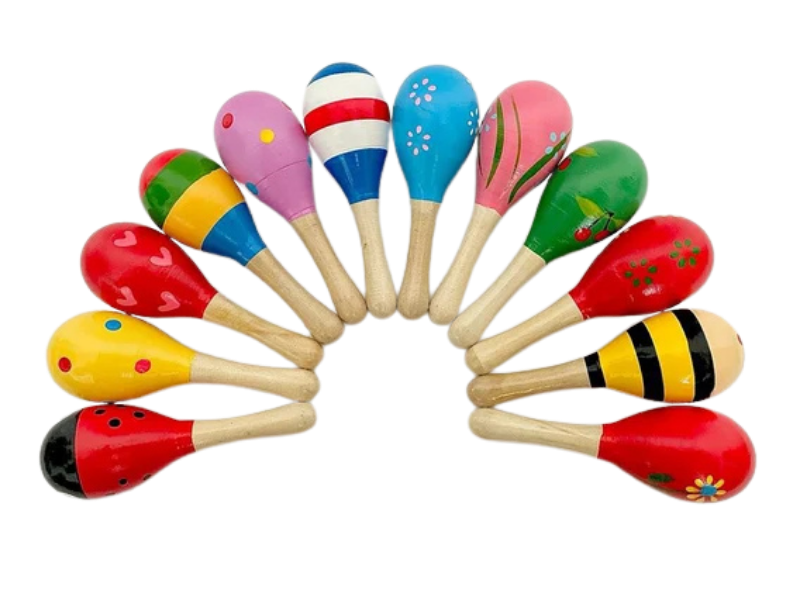
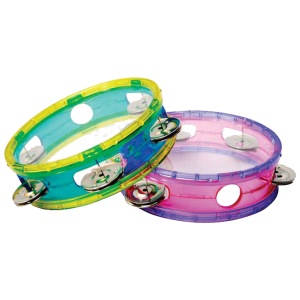
With a particular focus on the world of percussion, we use songs, rhythms and games to introduce the joy of music at an early age
What We Offer…
One off Incursions
$200
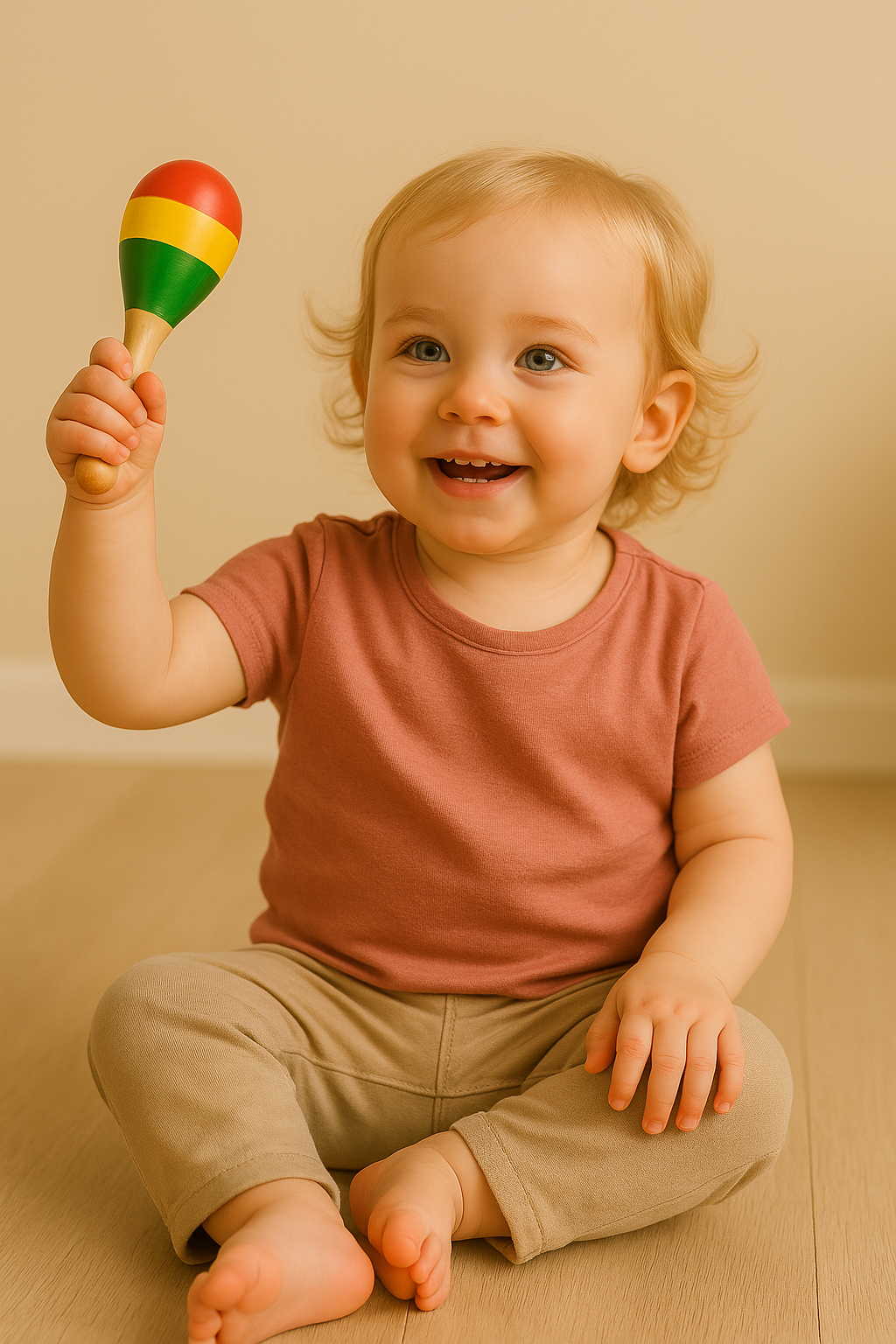
Tiny Beets will visit your daycare centre / preschool and present a 35min interactive musical experience.
Up to 15 children per session
Please contact us if you have a request for more than 15 children
Discount for multiple incursions at the same centre
Weekly In-Centre Classes
$12 per child
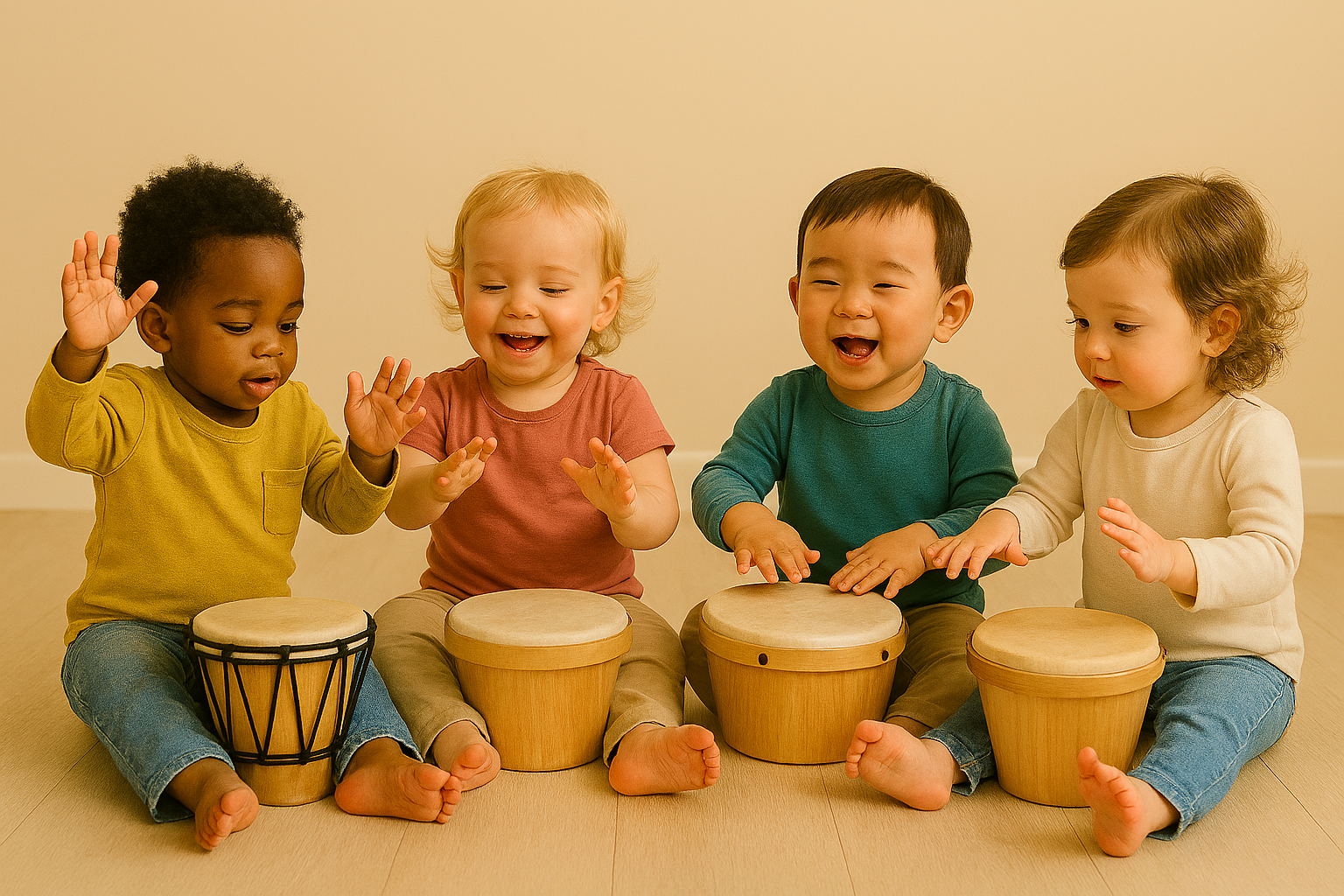
Our once a week 30min lessons are held during school terms at your daycare centre/ preschool, and follow a percussion based curriculum tailored to specific age groups.
Minimum of 6 children per lesson, maximum of 15 children
Please contact us if you have a request for classes outside these numbers
Discount for multiple weekly classes at the same centre
Private Sessions
$220
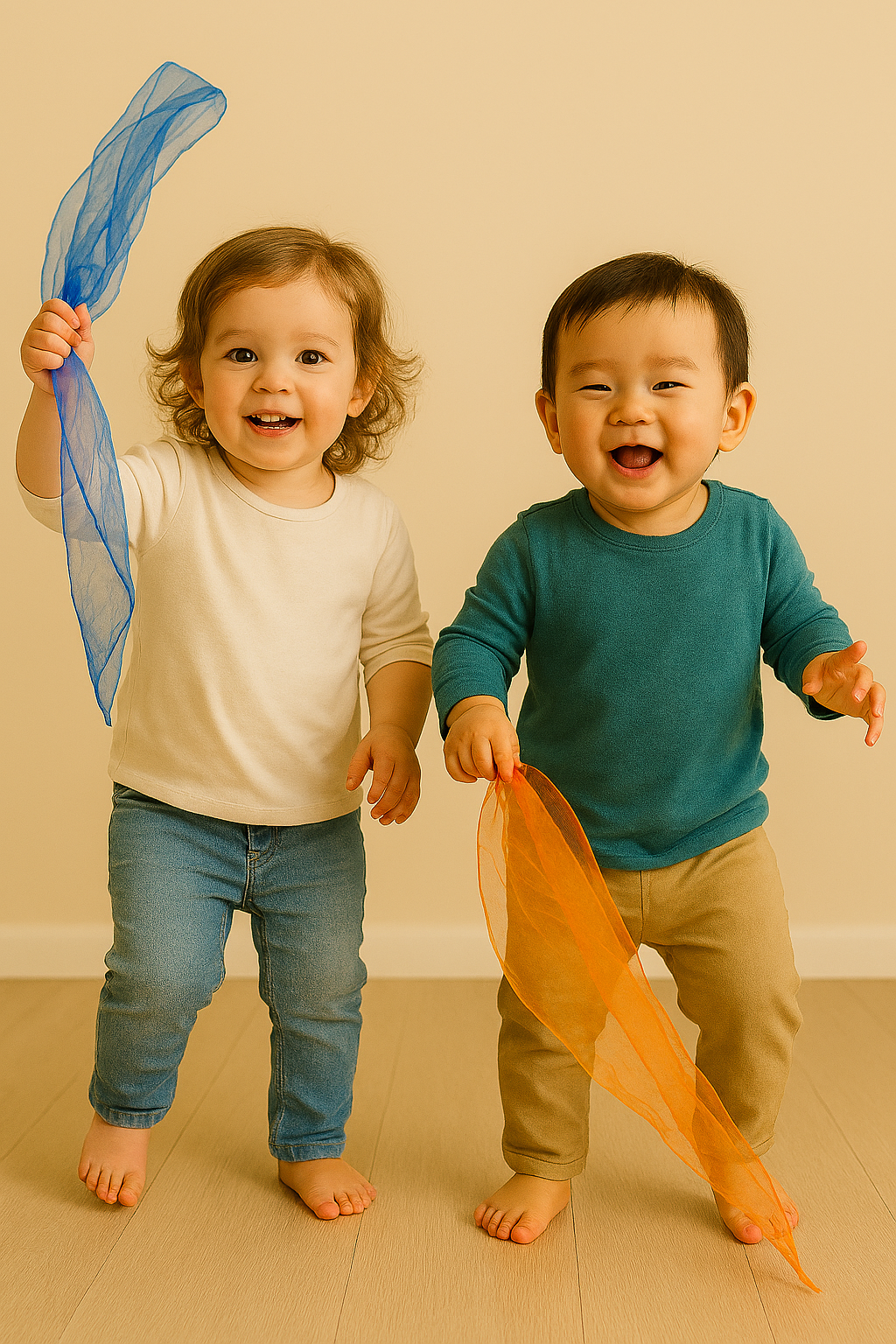
Whether you are hosting a children’s party, home schooling group, or play group, we offer a 30-45min musical experience tailored to you specific needs.
Numbers are capped at 15 children between the ages of 0-6 years old to ensure each child has the best experience
Our Vision
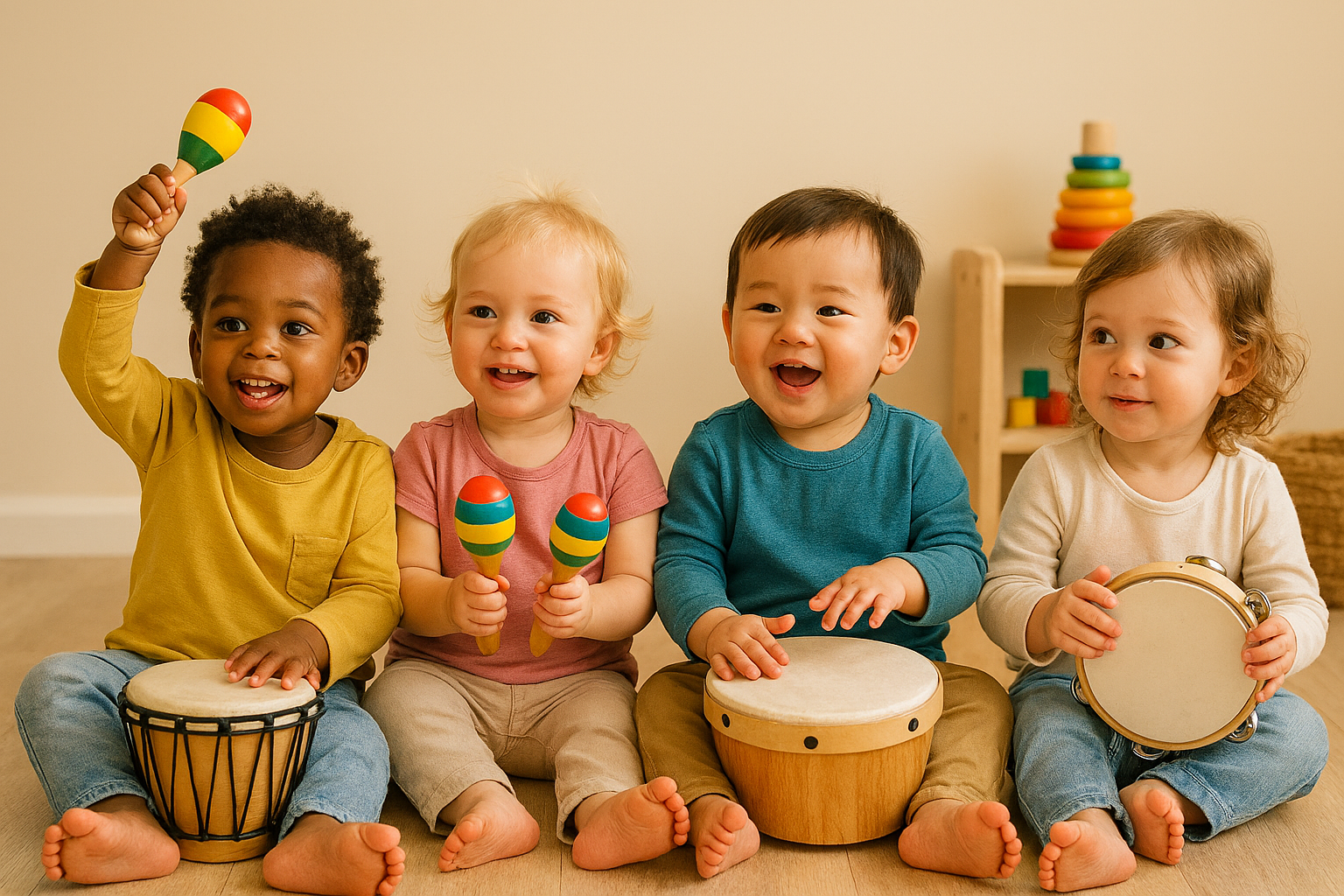
We inspire a lifelong love of music by introducing young children to the joyful world of percussion through play, imagination, and creative exploration – nurturing their natural rhythm, curiosity, and self-expression in a fun, engaging, and inclusive environment.
Music education in Australian daycares and preschools plays a vital role in fostering and aligning with the EYLF learning outcomes.
Research shows that music enhances cognitive development, language skills, and memory retention, helping children develop stronger communication abilities.
Engaging with music also promotes:
emotional regulation
social skills
creativity
fine motor skills
coordination
a foundation for other academic subjects like mathematics and literacy
intellectual and emotional growth.
Sophia Ang
Sophia Ang is a passionate percussionist with a rich background in music performance and education. After completing a Bachelor of Music Performance at the University of Melbourne, Sophia has performed extensively across Australia and internationally.
With over 10 years as a member of the Australian Japanese drumming group Taikoz, regular performances with Opera Australia Orchestra, and experience with Sydney percussion ensemble Synergy, Sophia's musical expertise is vast. She also dedicated 8 years to the role of Education Coordinator for the Australian Taiko Academy, where she developed engaging programs for young children and youth.
Sophia's experience teaching music to all ages, from babies to adults, has inspired her to create a unique percussion-focused music course designed specifically for young babies and children. As a mother of a very active toddler, she understands the importance of introducing music early, in a fun and interactive way.

Music & Movement:
Alignment with EYLF Outcomes
Music and movement are fundamental to holistic early childhood development, connecting to core learning outcomes in the Early Years Learning Framework
OUTCOME 1: CHILDREN HAVE A STRONG SENSE OF IDENTITY
Music activities help children build a sense of belonging, confidence, and self-assurance.
1.1 - Children feel safe, secure and supported
Sensing and responding to a feeling of belonging (1.1.3)
1.2 - Children develop their emerging autonomy, inter-dependence, resilience and agency
Showing interest and curiosity through observing, listening, selecting, and making choices (1.2.2)
Approaching new, safe situations with interest and confidence (1.2.9)
OUTCOME 3: CHILDREN HAVE A STRONG SENSE OF WELLBEING
Rhythm and movement support emotional regulation, social skills, and the development of essential motor skills.
3.1 - Children become strong in their social, emotional and mental wellbeing
Sharing humour, happiness, and feelings of satisfaction (3.1.5, 3.1.17)
Showing an increasing capacity to understand, self-regulate, and manage their emotions (3.1.11)
3.2 - Children become strong in their physical learning and wellbeing
Combining gross and fine motor movement and balance, including creative movement and dance (3.2.3)
Demonstrating spatial awareness through movement (3.2.6)
Responding through movement to music, dance, and storytelling (3.2.8)
Moving to the tempo and rhythm of music (3.2.9)
Participating in physical play, dance, and drama (3.2.10)
OUTCOME 4: CHILDREN ARE CONFIDENT AND INVOLVED LEARNERS
Music fosters key learning dispositions, encouraging curiosity, creativity, and persistent engagement.
4.1 - Children develop a growth mindset and learning dispositions such as curiosity, cooperation, confidence, creativity, commitment, enthusiasm, persistence, imagination and reflexivity
Being curious and enthusiastic participants in their learning (4.1.2)
Following and extending their own interests with enthusiasm, energy, and concentration (4.1.5)
Engaging in creative experiences such as art, dance, and drama (4.1.13)
OUTCOME 5: CHILDREN ARE EFFECTIVE COMMUNICATORS
Musical experiences enhance verbal and non-verbal language skills, listening, and expression across various media.
5.1 - Children interact verbally and non-verbally with others for a range of purposes
Engaging in enjoyable interactions using verbal and non-verbal language (5.1.1)
Responding verbally and non-verbally to sensory input (5.1.3)
Using language and representations from play, music, and art to share and project meaning (5.1.4)
5.2 - Children engage with a range of texts and gain meaning from these texts
Listening and responding to sounds and patterns in speech, stories, and rhymes (5.2.1)
Singing and chanting rhymes, jingles, and songs (5.2.3)
5.3 - Children express ideas and make meaning using a range of media
Using language, sounds, gestures, and movement to engage in play and create roles or ideas (5.3.1)
Using materials to create art works (e.g., drawing, painting, sculpture, drama, dance, movement, music and storytelling) to express ideas and make meaning (5.3.3) all begins with an idea. Maybe you want to launch a business. Maybe you want to turn a hobby into something more. Or maybe you have a creative project to share with the world. Whatever it is, the way you tell your story online can make all the difference.
Contact Us
Got a question? Want to make a booking?
Send us a message below.